
Background and strategic drivers
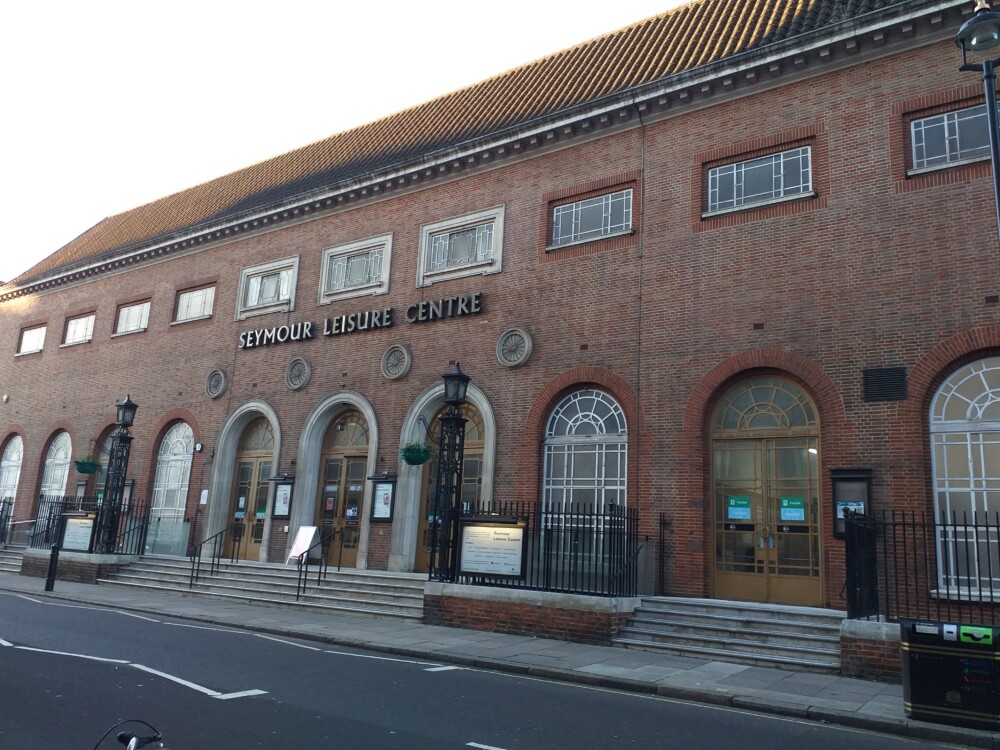
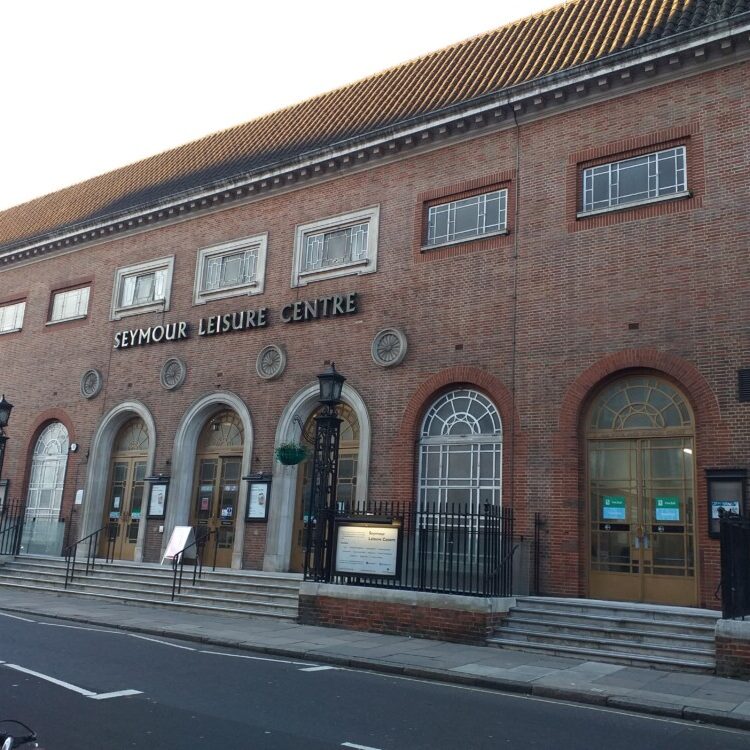
SLC supported Westminster City Council in developing a Strategic Business Case for the redevelopment of Seymour Leisure Centre in Marylebone. Working alongside the Council and a multidisciplinary design team led by Make Architects, the project aimed to transform the existing Grade II listed leisure centre into a modern, sustainable hub integrating leisure, library and community services.
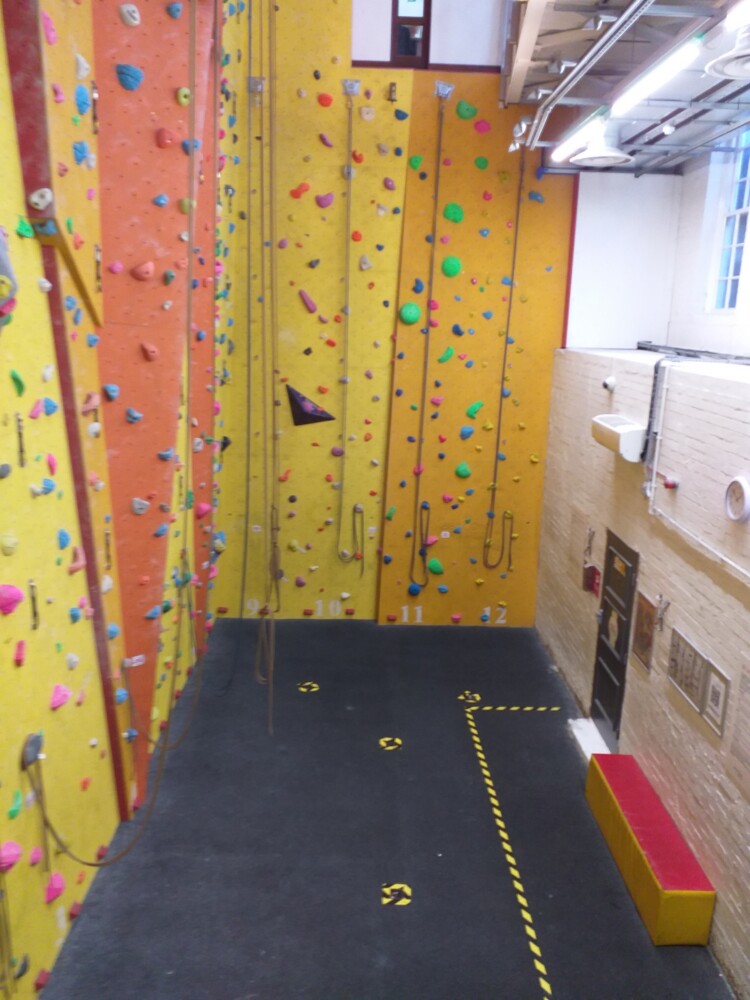
The strategic case for investment was driven by a combination of facility, financial and service challenges. While the centre remained well used, its age, layout and accessibility limitations restricted its ability to meet modern expectations. Significant lifecycle investment requirements, rising operating costs and the need to establish a permanent home for Marylebone Library strengthened the case for redevelopment.
The project aligned closely with Westminster’s priorities around health and wellbeing, physical activity, accessibility, sustainability and high-quality public services, whilst protecting an important heritage asset.
Developing the vision and design brief
A comprehensive programme of stakeholder engagement and public consultation involving Council officers, leisure and library teams, residents and key stakeholders helped establish a shared vision for a modern, inclusive community destination.
Consultation highlighted the need for improved accessibility, enhanced swimming provision, flexible community spaces and greater integration between leisure, cultural and community services to support wider health and wellbeing outcomes.
As the Council’s leisure planning adviser, SLC reviewed facility performance, strategic needs assessments and consultation findings, alongside undertaking demand modelling to inform the future facility mix. This identified strong demand for sports hall provision and continued demand for accessible public leisure opportunities, despite significant private sector competition. Opportunities were also identified to strengthen the swimming, health and wellbeing, community and cultural offer.
Working with the project team, SLC helped evaluate options against strategic need, participation outcomes, financial performance, design constraints and wider Council objectives. The preferred brief maximised the use of available space whilst respecting the listed building and supporting the Council’s ambition to increase opportunities for physical activity and wellbeing.
Strategic business case
SLC led the development of the Strategic Business Case and long-term financial appraisal, including a detailed business plan and 40-year financial model assessing operational performance, lifecycle costs and affordability.
The analysis demonstrated that redevelopment offered a more sustainable long-term solution than continued investment in the existing facility. Modern facilities, improved energy performance, reduced lifecycle costs and opportunities created through integrated service delivery contributed to a stronger operating position.
The business case brought together evidence of need, stakeholder aspirations, facility planning, design development and financial analysis within a robust framework for decision-making.
Key outcomes
The preferred scheme demonstrated how a new Seymour Centre could:
- Improve accessibility and inclusion
- Increase opportunities for sport, physical activity and active lifestyles
- Enhance health and wellbeing outcomes
- Improve swimming, fitness and community leisure provision
- Provide a permanent home for Marylebone Library
- Support integrated service delivery
- Improve long-term financial sustainability
- Reduce future lifecycle liabilities
- Support Westminster’s net zero carbon ambitions
- Protect and revitalise a significant heritage asset
Next steps
The Strategic Business Case provided the evidence required for Westminster City Council to progress the project through design development, planning and procurement.
The redevelopment will create a modern, flexible and sustainable leisure and community hub supporting increased participation in sport and physical activity, improved health and wellbeing outcomes, and stronger community connections. The project is currently underway and scheduled for completion in Spring 2027.