

Transforming a Museum Service into a Sustainable Cultural Catalyst
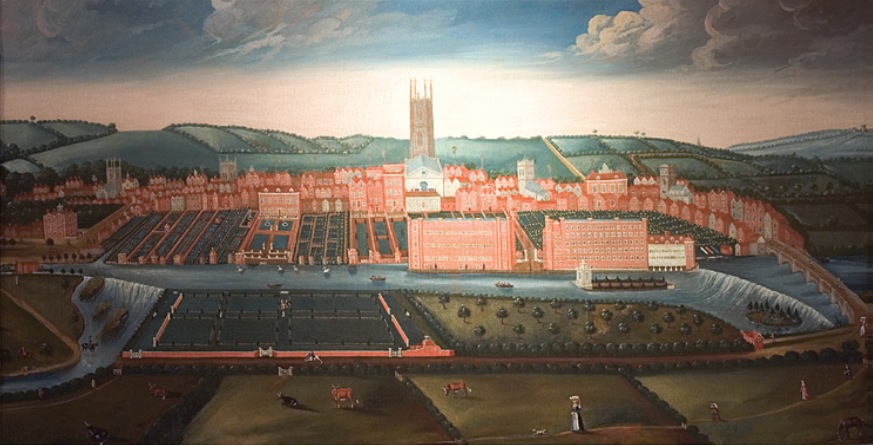
Derby City Council initiated the Derby Museums Transformation Programme in response to a review that identified significant organisational challenges. This included limited commercial capacity, an over-reliance on public funding, a need for stronger fundraising, business development and audience engagement capabilities.
The programme set out to create a financially sustainable, entrepreneurial museum service capable of supporting Derby’s wider ambitions for culture, regeneration and economic growth.
SLC was appointed to provide specialist programme management and transformation support in 2011.
Key Outputs
The programme delivered a comprehensive transformation agenda focused on governance, facilities, partnerships and community engagement:
Development of plans for the transformation of the Silk Mill into a major visitor attraction centred on creativity, technology, engineering and innovation. This also focused on the development of a business case to optimise external funding.
A rolling redevelopment programme for Derby Museum and Art Gallery, including plans for the Midlands Enlightenment Gallery, City of Invention Gallery and a new learning suite.
Refurbishment and relaunch of the Joseph Wright Gallery, strengthening Derby’s position as the home of one of Britain’s most important artists.
Establishment of a programme to take museum collections into community venues and increase public engagement beyond traditional museum settings.
Creation of a new charitable trust governance model, designed to provide greater commercial freedom, attract external investment and strengthen long-term sustainability.
Key Outcomes
The programme fundamentally repositioned Derby Museums as a driver of cultural, social and economic development. The Derby Museums Trust was established in 2012.
The Derby Museums Trust was established in 2012. The museums were officially “spun out” of the Derby City Council into an independent charitable trust.
The charitable company was incorporated on April 18, 2012, and officially began trading in October. Today, the trust operates three key sites in the city:
- Derby Museum and Art Gallery (originally established in 1879)
- Pickford’s House
- Museum of Making at the Derby Silk Mill
The shift to trust status was designed to foster an entrepreneurial culture and enable the museums to access new charitable funding, tax reliefs and corporate sponsorships.
A new governance structure was established to enable more agile decision-making, increased entrepreneurial activity and stronger collaboration with public, private and charitable sector partners. The trust model created opportunities to access funding streams unavailable to local authorities, while ensuring that operating surpluses could be reinvested directly into heritage services.
The transformation programme also laid the foundations for significant future investment in Derby’s heritage assets. The Silk Mill redevelopment created a long-term vision for a nationally significant visitor destination, using the story of the world’s first factory to inspire innovation, enterprise and STEM learning.
Within the Museum and Art Gallery, the programme delivered a roadmap for continuous improvement through new galleries, enhanced learning facilities and refurbishment works that improved the quality of the visitor experience while raising the profile of the city’s museum offer.
Partnership development was another major achievement. Strategic relationships were strengthened with organisations including the Arts Council, Tate, the British Museum, the University of Derby, the Derwent Valley Mills World Heritage Site Partnership and major businesses. These partnerships increased opportunities for funding, knowledge exchange and cultural programming.
Legacy
The Derby Museums Transformation Programme created the foundations for a sustainable museum service with a stronger commercial focus, improved visitor experiences, enhanced community engagement and a long-term vision for heritage-led regeneration. By combining organisational reform with investment in cultural assets, the programme positioned Derby Museums as a catalyst for innovation, learning, tourism and civic pride across the city.


TESTIMONIAL
This is the most trying of times for any cultural organisation. The understanding and methodology that SLC have brought to our own transformation programme has been exceptional. Leading your team through a major change can be a lonely experience, but I always feel there is ready support – exactly when I need it.
Stuart Gillis, Director of Museums Transformation, Derby City Council
MORE CASE STUDIES

Horsham District Council – Diagnostic support
Strategic Planning Support

Blackpool Council – Diagnostic support
Strategic Planning Support
Greater Manchester Chief Executives –
CV-19 A Moment to Pivot
Strategic Planning Support

Sheffield City Council – Leisure services transformation
Leisure Services Delivery Support
Chichester District Council – Leisure Procurement Support
Leisure Services Delivery Support

Westminster Seymour Centre – Feasibility support
Leisure Services Delivery Support

Worcester City Council – Review of agency model
Leisure Services Delivery Support
Cannock Chase District Council – Leisure Procurement Support
Leisure Services Delivery Support

Wyre Council – Leisure Procurement Support
Leisure Services Delivery Support

West Northamptonshire Council – Leisure Procurement Support
Leisure Services Delivery Support